- The TriDoc Podcast-in Supplement form
- Posts
- Episode 193-Saunas/Matt Hanson
Episode 193-Saunas/Matt Hanson
A brief synopsis of the episode's main discussions and takeaways as well as extended references

Jeff Sankoff
March 27, 2026
On this episode we revisited the subject of saunas for their ability to help with heat acclimation and recovery. The literature continues to show efficacy and honestly, they just feel so good….
Table of Contents
Revisiting the question of saunas for performance and recovery
Sauna use has become an increasingly popular tool among endurance athletes, including triathletes, for both performance enhancement and recovery. One of the primary benefits is heat acclimation, which improves the body’s ability to regulate temperature during exercise. Regular sauna sessions can increase plasma volume, enhance sweat rate, and reduce core temperature during prolonged efforts. These adaptations translate into better performance in hot race conditions and improved cardiovascular efficiency overall.
Sauna exposure may also stimulate adaptations similar to endurance training. Repeated heat stress has been associated with increased production of heat shock proteins and improved mitochondrial efficiency, both of which support aerobic performance. Some studies suggest modest improvements in time to exhaustion and endurance capacity when sauna use is incorporated consistently after training sessions.
From a recovery standpoint, sauna bathing promotes muscle relaxation and increased blood flow, which can help reduce post-exercise soreness and stiffness. The elevated circulation may assist in clearing metabolic byproducts and delivering nutrients to fatigued muscles, potentially accelerating recovery between workouts. Additionally, the parasympathetic activation that follows sauna use can aid in relaxation and improve sleep quality—an often overlooked but critical component of recovery for triathletes managing high training loads.
There may also be cardiovascular benefits, including improved vascular function and reductions in blood pressure over time, which support overall endurance health. Importantly, these benefits are best achieved with consistent, moderate use—typically 15–30 minutes following training, several times per week.
However, athletes must balance sauna use with proper hydration and avoid excessive exposure, as dehydration and overheating can negate potential gains. When used appropriately, sauna bathing can be a valuable adjunct to training, helping triathletes optimize both performance and recovery.
In this episode’s MMB, we review the most up to date evidence that continues to support all of the above listed benefits of sauna use including modest performance gains across hot and cooler climates.
Matt Hanson-A Storied Career and No Signs of Quitting
About Matt according to Matt: Dr. Matt Hanson is a professional triathlete and coach for triathletes, cyclists and runners. He has an extensive background as an athlete and is highly-educated in all things sports-related. As an athlete, Matt comes from a wrestling background, but running has always a been a passion of his. In 2014, his first year as a pro, Matt set 3 run course records and won Ironman Chattanooga. He has since tallied 11 professional wins, including 4 Ironman North American Championship titles.
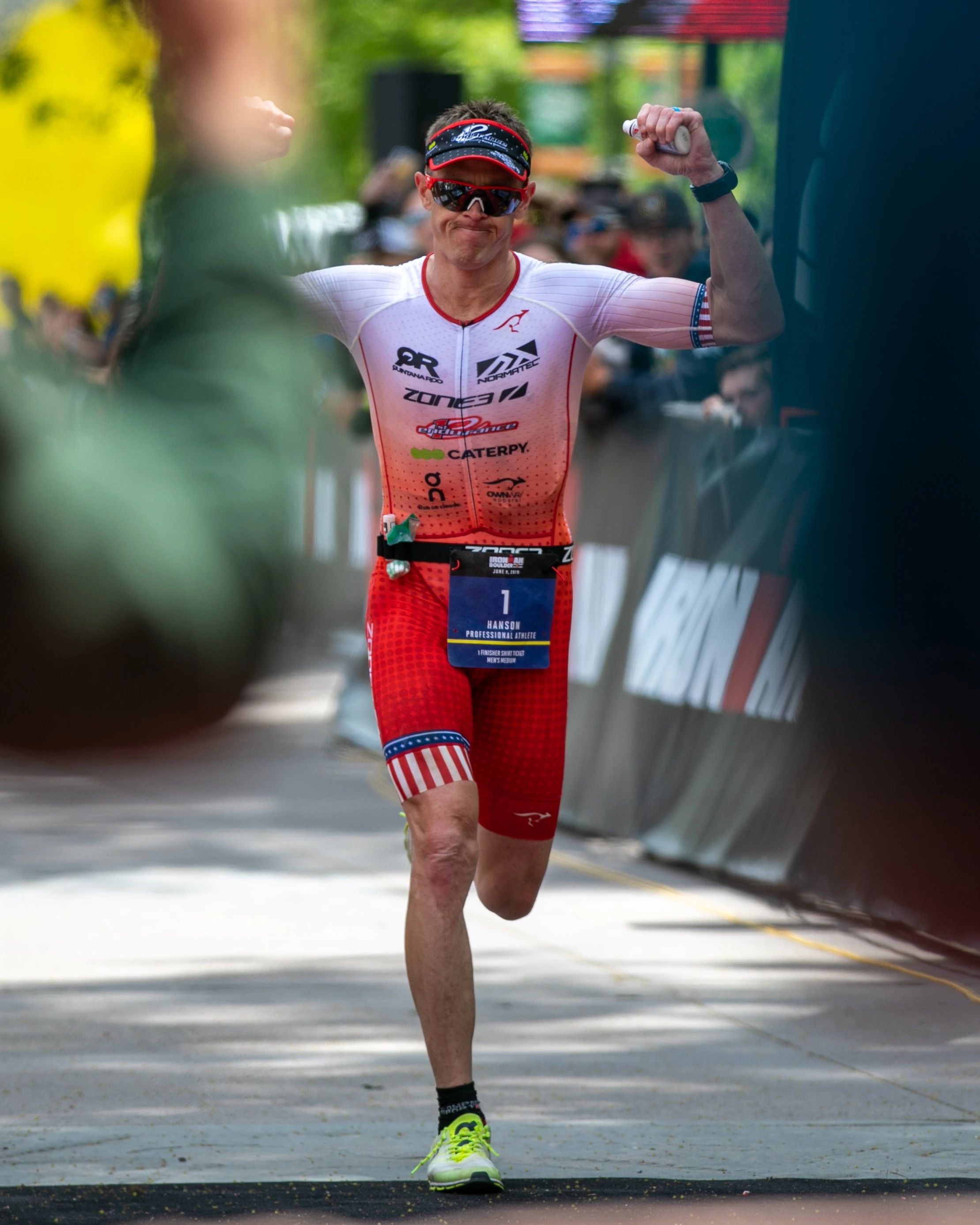
Matt Hanson, the professional triathlete and coach, dives into his journey from academia to the world of triathlon. Starting as a college professor, Matt shares how he craved a life where he could look back and know he gave it his all instead of living with the 'what ifs.' His ambition to become a world champion drives him, although he admits that he might not achieve that specific goal. Instead, he focuses on how far he can rise in the professional ranks and the personal satisfaction that comes from pursuing his passion for the sport. With a young daughter, his motivations have shifted; he wants to be a role model for her, demonstrating the importance of hard work and dedication, which he hopes will echo the influence his parents had on him. The conversation weaves in themes of resilience, personal growth, and the balance between family and athletic ambition, offering listeners a heartfelt glimpse into the life of a professional athlete who values both his sport and his family.
Episode takeaways:
Matt Hanson reflects on leaving his college teaching job to chase triathlon dreams, revealing deep personal motivations and the importance of family in his journey.
Despite being a professional triathlete, Hanson admits that his world championship dreams might not materialize, highlighting the unpredictable nature of sports success.
The new 20 meter draft zone rule in triathlon is reshaping race strategies, favoring stronger cyclists while challenging less experienced participants to adapt quickly.
Hanson emphasizes the significance of being a role model for his young daughter, balancing the drive for athletic achievements with parental responsibilities.
Listeners are reminded of the unpredictable weather's impact on race outcomes, as seen in the chaotic Little Elm event, showcasing the sport's challenges beyond just physical performance.
The episode dives into sauna use for heat acclimation and recovery, sparking debates on its effectiveness and the importance of safety in training practices.
References used for the MMB
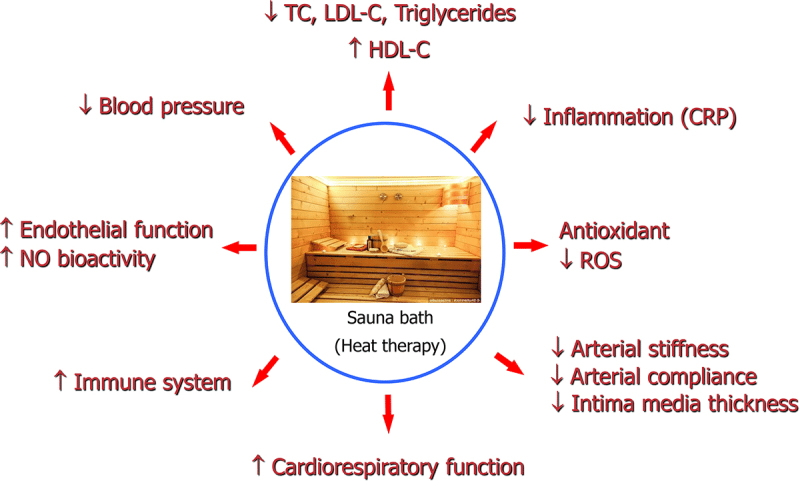
Review of the literature; discusses mechanisms by which sauna alters the body:
BP reduction
Anti-inflammation (decrease in oxidative burden, systemic inflammation)
Endothelial function
Macrovasculature (arterial pliability and enhanced compliance; reduction in lipids, fatty acids, glycemic metrics, NPs, cardiac troponin T, interleukins, and C-reactive protein)
Cardiorespiratory function (exercise-mimetic)
Analgesic response (increased beta-endorphin levels)
ANS modulation (increased norepinephrine synthesis)
Perspiration facilitates excretion of metals (aluminum, cobalt, and lead)
Microvasculature (dilation via NO)
Cell-level regulation (increase in heat shock proteins)
Neurogenesis (increase in BDNF)
Systematic review (n=14: 9=acute, 5=chronic) of post-exercise heat exposure and athletic performance.
Results:
Acute recovery effects: mixed
4 studies: no effect on recovery or performance
4 studies: beneficial effects
1 study: negative effect
Long-term training adaptations: possible benefits
Improved running performance, especially in hot environmental conditions.
No improvements observed for cycling performance or VO₂max
Systematic review (n=7) of hot spring bathing and sauna use improve blood lipid profiles in adults.
Results:
Younger participants (<60 y/o)
4 studies found improvements in lipid paramteters (decreased total cholesterol, LDL cholesterol; 5–14% in TC and 6–13% in LDL-C)
Stronger effects with combined exercise.
Older participants (>60 y/o)
3 studies found no significant changes in lipid parameters.
Authors noted evidence of temporary hypotension during and following heat exposure.
Systematic review (n=40) of regular sauna use and clinical outcomes.
Results:
General health:
cardiovascular health
pain management
respiratory condition improvements (reduced symptoms in those with asthma, chronic bronchitis)
Exercise performance:
Endurance performance improvements (32% increase in time to exhaustion during endurance tests.)
Plasma volume increased (plasma volume increased by about 7% in participants using post-exercise sauna therapy.)
Heat acclimation (lower core body temperature during exercise, increased sweat rate, improved cooling efficiency)
Cardiovascular adaptations (increased cardiac output, improved blood circulation, reduced vascular resistance)
Experimental study of elite male cross-country skiers (n=16) who underwent 10 Finnish sauna post-exercise sessions over 2 weeks. Outcome measure was performance on a 1-hour submaximal running test (conducted pre- and post-intervention)
Results:
Cardiovascular measures:
Resting heart rate decreased significantly
“Physiological strain index” decreased, indicating reduced cardiovascular stress during exercise.
Hematology:
Plasma volume regulation, blood protein concentration, red blood cell parameters during exercise and recovery showed improvement
Plasma water:
Improved plasma volume restoration after exercise
Not a subscriber to the podcast? Click here!
Support the podcast: TriDoc Podcast Patreon site
Need an endurance coach? TriDoc Coaching
Reply